
- GetViagens
- ›Tokyo
- ›Tours & Tickets
- ›Experience Classic Japan
Experience Classic Japan
Japan at its core: a complete and immersive experience.
This itinerary has been carefully developed to provide a complete immersion in Japanese culture, combining history, gastronomy, spirituality, iconic landscapes, and the dynamism of the country's main cities.
Over the course of 12 days and 11 nights, the trip takes you through some of Japan's most extraordinary destinations, bringing together the energy of Tokyo, the cultural heritage of Kyoto and Nara, the urban vibrancy of Osaka, the historical significance of Hiroshima, the unique beauty of Miyajima, and the natural landscapes of Mount Fuji and the Hakone region.
With organized logistics and support, the goal is to offer comfort, safety, and peace of mind at every stage of the journey. The itinerary includes private air-conditioned transportation, domestic flights, and travel on the Shinkansen bullet train, as well as accommodations in 4-star hotels with daily breakfast.
During the tours, travelers have access to Portuguese-speaking guides , ensuring a more complete and accessible experience. The trip also includes all tickets listed in the itinerary, 24-hour assistance throughout the journey, guaranteed departure, and gratuities already included, providing even more convenience throughout the experience.
The trip was planned in a balanced way, with stays in Tokyo (3 nights), the Kansai region — Kyoto and Osaka (4 nights), Hiroshima (1 night), and the Kanto region — Mount Fuji and Hakone (3 nights), allowing for a fluid and comfortable exploration of different aspects of Japan.
More than just visiting destinations, this itinerary invites you to experience Japan in its multiple expressions: from the spiritual atmosphere of temples and shrines to the sophistication of grand avenues; from pop and technological culture to the natural scenery of mountains and lakes; from the historical memory of Hiroshima to the symbolic beauty of Miyajima.
An experience designed for those who wish to explore Japan with organization, comfort, and cultural depth, combining logistical efficiency, expert guidance, and careful curation at every stage of the trip.
Available dates:
Itinerary start dates: July 9th to July 20th
Itinerary start dates: November 9, 2026 to November 21, 2026
Day-by-day itinerary
Day 1 – Arrival in Tokyo
The journey begins with arrival in Japan via Narita (NRT) or Haneda (HND) airports. After immigration and baggage claim, passengers are met by the local logistics team and transferred to their Tokyo hotel in a private shuttle. The remainder of the day is reserved for check-in, rest, and jet lag, ensuring a smooth arrival at your destination.
Day 2 – Tokyo: history, culture and iconic neighborhoods
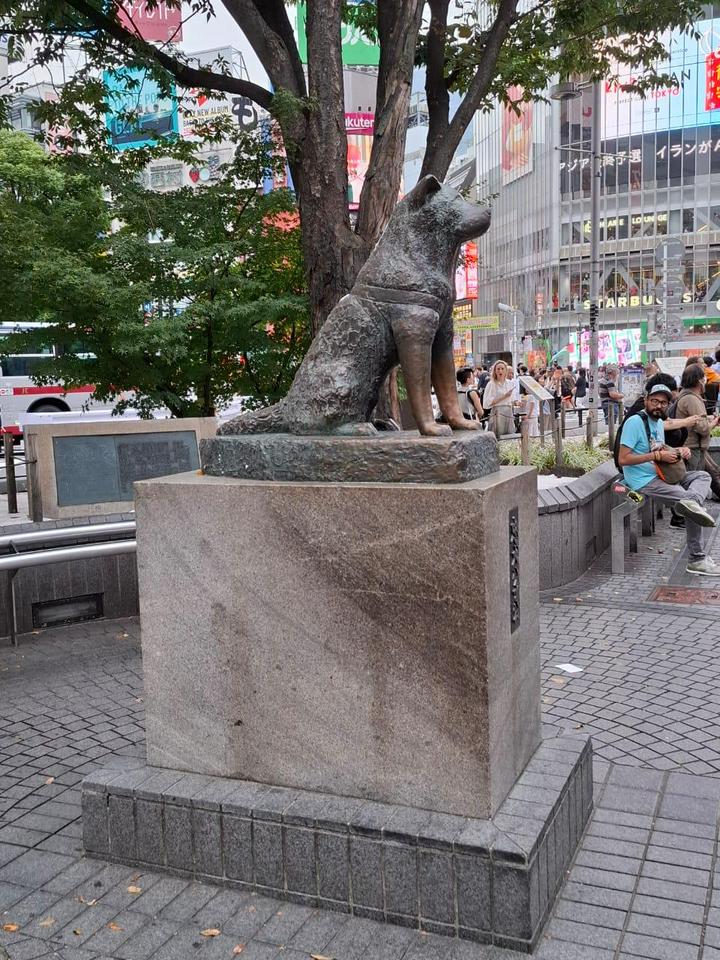
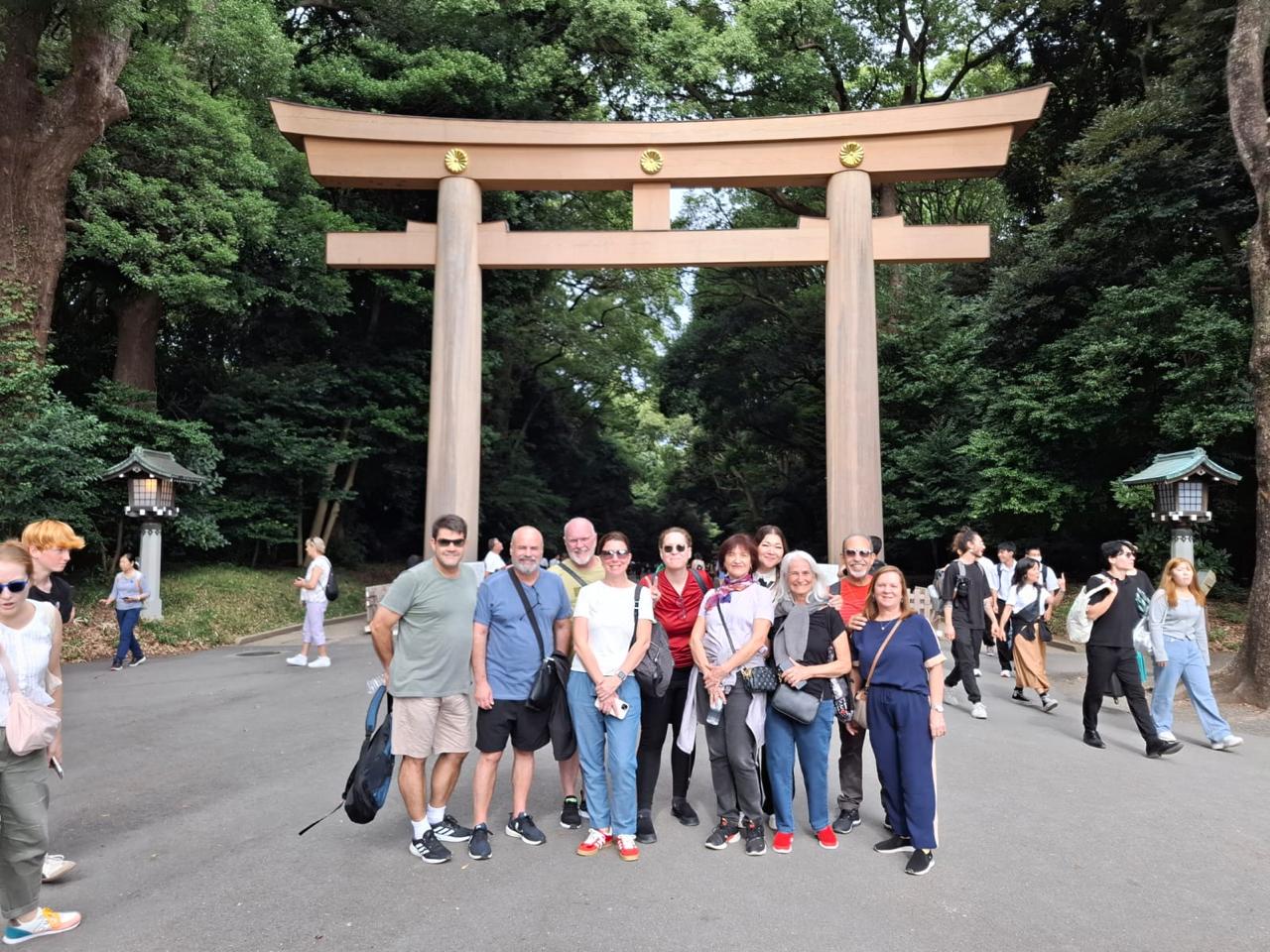
The second day presents a Tokyo that harmonizes tradition and modernity. The itinerary includes a visit to the Meiji Jingu Shrine, one of the most important Shinto shrines in Japan, surrounded by a vast green area that conveys peace and spirituality. Next, the experience continues in Harajuku, a neighborhood linked to youth, creativity, and pop culture, highlighting the famous Takeshita Street. The tour continues along Omotesando, an elegant tree-lined avenue marked by modern architecture and international boutiques, until reaching Shibuya, home to the world's busiest intersection and the famous Hachiko statue. The day ends in Shinjuku, a major commercial center in Tokyo, with the option to visit the Metropolitan Government Observatory.
Day 3 – Tokyo: modernity and technology
On this day, Tokyo's contrasts become even more evident. In Asakusa, the itinerary includes a visit to Senso-ji Temple, Tokyo's oldest Buddhist temple, founded in the 7th century, with its entrance through the iconic Kaminarimon Gate. The experience continues along Nakamise Street, a traditional shopping area full of typical sweets, souvenirs, and handicrafts. Next, the traveler visits Akihabara, a hub for electronics, games, manga, and Japanese pop culture; Odaiba, a futuristic artificial island in Tokyo Bay with stunning city views, the Rainbow Bridge, a replica of the Statue of Liberty, and a giant Gundam; and ends in Ginza, one of the capital's most sophisticated districts, known for its luxury shops, contemporary architecture, and elegant atmosphere.
Day 4 – From Tokyo to Kansai aboard the Shinkansen
After breakfast, the group heads to the station and boards the famous Shinkansen bullet train, a journey of approximately two and a half hours to the Kansai region (Kyoto/Osaka). Traveling on one of the world's fastest and most efficient railway systems is, in itself, an iconic experience in Japan. Upon arrival, check-in at the hotel takes place, and the evening is free for each passenger to explore the city at their own pace.
Day 5 – Nara and Osaka
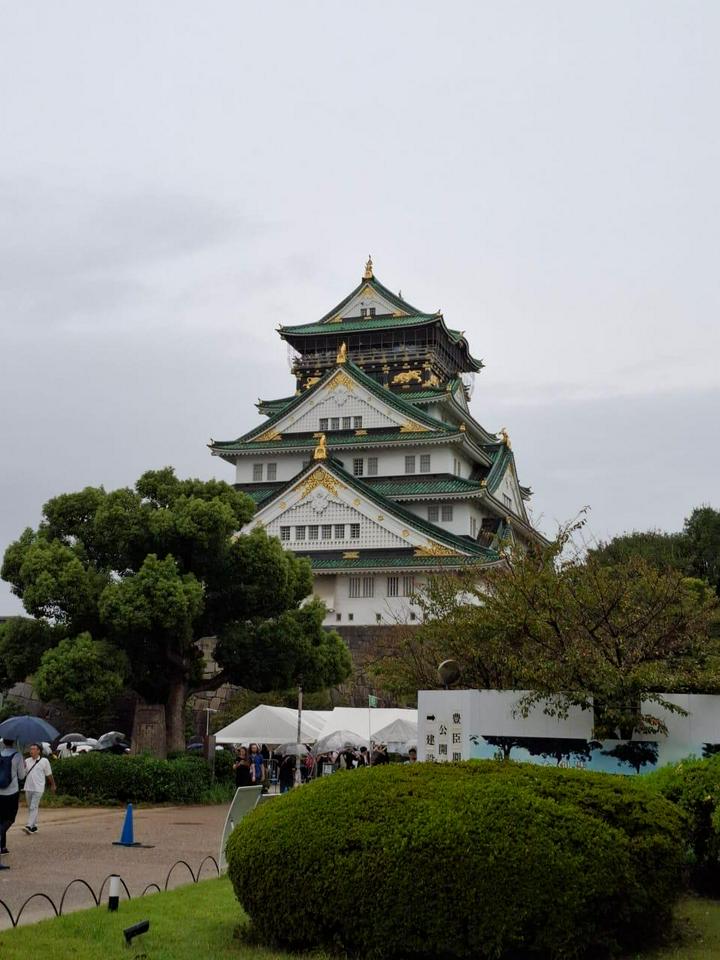
This tour brings together two cities that are fundamental to understanding the history and energy of Japan. In the morning, we will visit historic Nara, the country's first permanent capital, with a stop at Todai-ji Temple, a UNESCO World Heritage Site, home to the imposing Great Buddha (Daibutsu), one of the largest bronze statues in the world. The tour also includes the famous Nara Park, where more than a thousand sacred deer roam freely, creating a unique interactive experience. In the afternoon, the journey continues to Osaka, with a visit to the iconic Osaka Castle, a historical landmark surrounded by beautiful gardens, and ending in Dotonbori, the city's most vibrant area, famous for its neon signs, nightlife, and typical cuisine such as takoyaki and okonomiyaki.
Day 6 – Kyoto: temples, tradition and photogenic landscapes
Kyoto is presented in its most classic essence. The tour includes a visit to Kinkaku-ji (Golden Pavilion), one of Japan's most famous temples, covered in gold leaf and surrounded by a beautiful traditional garden, creating one of the city's most iconic landscapes. The visit continues to Kōdaiji Temple, known for its refined architecture and Zen gardens, and then along the charming Ninenzaka and Sannenzaka streets, with their historic buildings, craft shops, tea houses, and typical cafes. The tour concludes at Fushimi Inari Taisha, a shrine famous for its thousands of red torii gates that form paths to the mountaintop.
Day 7 – Free day in Kansai
The seventh day is entirely free for independent activities. It's an opportunity to explore the city at your own pace, go shopping, visit additional attractions, check out local cafes and restaurants, or simply stroll through the neighborhoods and discover new cultural experiences. The material also indicates that this is a day dedicated to optional excursions, according to each traveler's interests.
Day 8 – Hiroshima: memory, reflection and history
The journey continues from Kansai to Hiroshima aboard the Shinkansen. The day is marked by a program of great historical and symbolic value, beginning at the Hiroshima Peace Memorial Park, built at the epicenter of the 1945 explosion and now dedicated to the memory of the victims and the promotion of peace. The itinerary also includes the Atomic Bomb Dome (Genbaku Dome), a building preserved after the explosion and recognized as a UNESCO World Heritage Site; the Peace Memorial Museum, with exhibitions and historical accounts; and the Children's Monument, inspired by the story of Sadako Sasaki, with her origami cranes as a symbol of hope. After the visits, return to the hotel for check-in and the rest of the day is free. The document informs that the train schedule will be determined according to availability and that the order of visits may be adjusted.
Day 9 – Miyajima and trip to the Mount Fuji region
On this day, passengers visit Miyajima Island, one of Japan's most iconic locations. The tour begins with a transfer to the port and boarding a ferry, which offers beautiful views of the famous torii gate in the sea. On the island, the highlight is the Itsukushima Shrine, a UNESCO World Heritage Site, known for its "floating" torii gate, which appears to be above the water during high tide. There will also be time to explore the island, stroll through its traditional streets, visit local shops, and observe the deer that roam freely. Afterwards, the group returns to the mainland and boards the Shinkansen again, heading towards the Mount Fuji region, where hotel check-in will take place.
Day 10 – Excursion to Mount Fuji
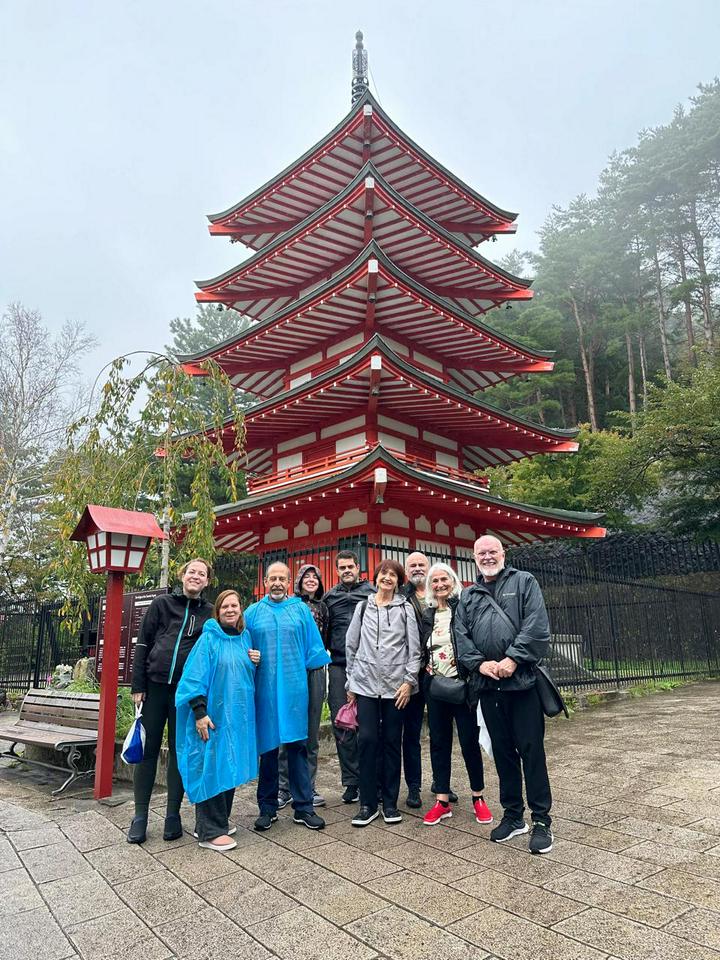
Day ten is dedicated to the Mount Fuji region, the ultimate symbol of Japan and one of the country's most coveted landscapes. The tour explores the Five Lakes Region (Kawaguchiko), one of the best areas to admire the mountain, especially when weather conditions allow for the reflection of Fuji in the lake's waters. The itinerary includes a visit to Lake Kawaguchi, the famous Chureito Pagoda, in one of Japan's most classic settings, and the traditional village of Oshino Hakkai, with its historic houses and crystal-clear ponds fed by the mountain's melting snow. The PDF highlights that the tour is conducted with private transportation and that visibility of Mount Fuji depends on weather conditions; therefore, the order of visits may be adjusted.
Day 11 – Excursion to Hakone
Hakone emerges as the perfect complement to the Mount Fuji landscape, uniting nature, art, and volcanic activity. The day begins at the Hakone Open-Air Museum, one of Japan's most important open-air museums, where contemporary sculptures are integrated into the gardens and internal galleries, including a space dedicated to Picasso. Next, the itinerary passes through the impressive Owakudani Valley, a volcanic area marked by active fumaroles and the traditional black eggs (kurotamago), symbolically associated with longevity. The tour ends in the Lake Ashi region, one of Hakone's most emblematic settings, where, on clear days, it's possible to see Mount Fuji reflected in the water.
Day 12 – Return to Tokyo and departure
At the appropriate time, passengers are met at their hotels for transfer to Tokyo Airport (Narita or Haneda), according to their flight schedule. The trip concludes with a farewell marked not only by memories and photographs, but also by cultural experiences, memorable landscapes, and special moments lived throughout the journey.
Highlights
- Ancient traditions, iconic landscapes, and the fascinating modernity of Japan, all in a single trip.
- A complete journey through the best of Japan.
What's included
- Guide in Portuguese throughout the trip.
- 4-star hotels with daily breakfast.
- Private transfers between the airport and the hotel.
- Shinkansen and ferry services as per itinerary.
- Private transportation in Kanto
What's not included
- International round-trip airline tickets
- Visa and consular fees
- Meals not mentioned
- Personal expenses
- Any tour or service not mentioned above.